


Send Message
Privacy statement: Your privacy is very important to Us. Our company promises not to disclose your personal information to any external company with out your explicit permission.
Shenzhen Mellume Technology Company Limited


Luxury horn sunglasses represent the pinnacle of artisanal eyewear, crafted from authentic buffalo horn or other premium animal materials. Unlike mass-produced acetate or metal frames, each pair of luxury horn sunglasses is unique, featuring natural variations in grain patterns and coloration that cannot be replicated.
These high-end frames are valued for their exceptional comfort, lightweight feel, and hypoallergenic properties. The natural material adapts to the wearer's face temperature, creating a custom fit over time. For procurement buyers, this translates into a premium product category with strong brand differentiation and higher profit margins.
The manufacturing process requires specialized craftsmanship passed down through generations. Each frame undergoes meticulous hand-finishing, polishing, and assembly by skilled artisans. This labor-intensive approach ensures superior quality but also creates inherent supply constraints that drive value perception.
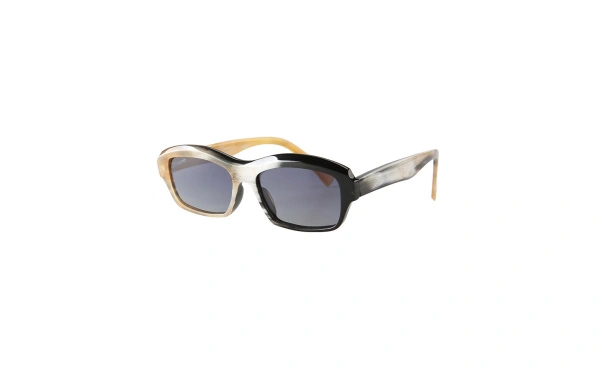
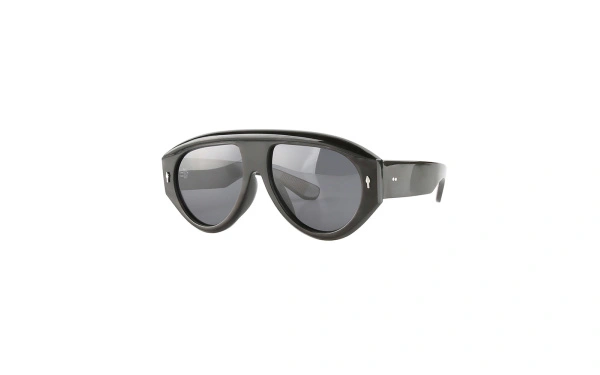
Shenzhen Mellume Technology operates a 15,000 m² manufacturing facility equipped with advanced production capabilities while maintaining traditional handcrafting methods essential for horn frame production. Our integrated approach combines modern precision with artisanal expertise.
Certified Manufacturing Excellence: We hold BSCI, ISO 9001, ISO 14001, CE, FDA, RoHS, and TUV certifications, ensuring compliance with international quality and environmental standards. These credentials provide procurement buyers with confidence in regulatory compliance and ethical sourcing practices.
Rigorous Quality Control: A dedicated 15-person QC team inspects every pair before shipment, regardless of order size. This comprehensive inspection protocol eliminates defects and ensures consistent quality across orders ranging from 50 pieces to 50,000 units.
Premium Material Sourcing: We use certified materials from industry-leading suppliers including Mazzucchelli, Jimei, Zeiss, and Essilor. For horn frames specifically, we source only ethically obtained, graded materials that meet strict durability and aesthetic requirements.
Selecting the right manufacturer for luxury horn sunglasses requires evaluating multiple factors beyond pricing. The complexity of horn processing demands specialized equipment and experienced craftsmen that not all manufacturers possess.
Verify that your supplier has dedicated horn processing lines rather than attempting to produce these frames on general eyewear equipment. Ask about their horn grading system, finishing processes, and quality rejection rates. A reputable manufacturer should provide detailed documentation of their material sourcing and processing protocols.
Different brands have varying customization needs. Evaluate whether the manufacturer offers both light customization options for startups and full OEM/ODM capabilities for established brands. The ability to adapt to different order volumes and design requirements indicates operational maturity.
Experience matters significantly in luxury horn frame manufacturing. Suppliers with 10+ years of experience have refined their processes and built relationships with premium material suppliers. Request references from existing clients in your market segment to validate performance claims.
Ensure the supplier provides material certificates and can demonstrate the authenticity of their horn sources. Premium horn frames require specific species and grades that affect both appearance and durability.
Horn processing inherently takes longer than standard frame production. Be wary of suppliers promising unrealistic lead times. A credible manufacturer will provide accurate timelines based on order complexity and volume.
Evaluate the supplier's warranty policies, defect resolution procedures, and communication responsiveness. Dedicated account management ensures smooth order processing from inquiry through delivery.
Use this comprehensive checklist when evaluating potential suppliers for luxury horn sunglasses. Each item addresses critical decision points that impact product quality, delivery reliability, and overall procurement success.
Verify all relevant certifications including ISO 9001, BSCI, CE, FDA, RoHS, and TUV are current and applicable to horn frame production.
Confirm minimum order quantities align with your business model. Look for suppliers offering 50-100 pcs MOQ for testing and 300+ pcs for full customization.
Ensure sampling processes take no more than 7 days for standard designs. Custom mold development requires additional time but should be clearly outlined.
Verify monthly production capacity matches your volume requirements. Suppliers with 80,000-100,000 pairs monthly capacity can handle large orders reliably.
Inquire about dedicated quality control personnel. A 15-person QC team indicates serious commitment to quality assurance across all order sizes.
Request references from existing clients in your geographic region and market segment. Proven track record with 500+ brands across 60+ countries is ideal.
Procuring luxury horn sunglasses presents unique challenges that differ from standard eyewear manufacturing. Understanding these common issues helps buyers avoid costly mistakes and establish successful supplier relationships.
Natural horn materials vary significantly between batches, leading to color and pattern inconsistencies. Buyers often receive samples that don't match final production runs. Mitigation: Establish clear acceptance criteria and request batch-specific samples before mass production approval.
Horn processing requires additional steps compared to acetate or metal frames, including drying, conditioning, and extended finishing processes. Unrealistic lead time expectations cause supply chain disruptions. Mitigation: Plan orders 4-6 weeks in advance for standard production and 8-12 weeks for custom designs.
Some manufacturers lack specialized QC protocols for horn frames, resulting in cracking, warping, or finish defects. Standard eyewear QC procedures may not address horn-specific issues. Mitigation: Require detailed QC checklists and third-party inspection reports before shipment.
Technical specifications for horn frames require specialized knowledge that may not transfer smoothly across language barriers. Misunderstandings lead to incorrect specifications and rejected shipments. Mitigation: Work with suppliers offering dedicated English-speaking account managers and detailed technical documentation.
Luxury horn sunglasses serve diverse market segments, each with distinct requirements and opportunities. Understanding these applications helps suppliers tailor their offerings and buyers identify the most suitable manufacturing partners.
High-end fashion labels seek unique horn frames that differentiate their collections from mass-market competitors. These brands prioritize distinctive aesthetics and limited edition runs, accepting higher price points for exclusive designs that appeal to fashion-conscious consumers.
Large optical retailers incorporate horn sunglasses into premium product lines to attract upscale customers. These chains require consistent quality, reliable delivery schedules, and competitive pricing while maintaining the luxury positioning that justifies premium retail prices.
Direct-to-consumer brands leverage horn sunglasses for their story-driven marketing appeal and higher profit margins. These companies value flexible MOQs, rapid sampling, and collaborative design processes that enable quick market testing and iteration.
Premium hospitality and corporate sectors purchase custom horn sunglasses as branded gifts and amenities. These orders emphasize packaging quality, branding customization, and presentation value over pure functionality or trend alignment.
Regional distributors focus on specific geographic markets and cultural preferences. They require suppliers who understand local aesthetic preferences, regulatory requirements, and seasonal demand patterns while providing adequate marketing support and training.
Limited collaboration collections generate significant media attention and consumer interest. These projects demand exceptional craftsmanship, exclusive materials, and tight project management to deliver on tight promotional timelines.
Based on our experience serving 500+ eyewear brands across 60+ countries, we've identified key characteristics that distinguish exceptional horn frame manufacturers from average suppliers. Use these recommendations to evaluate potential partners effectively.
Prioritize suppliers who control the entire production process internally, from material sourcing to final inspection. Integrated operations reduce communication delays, improve quality consistency, and enable faster problem resolution compared to fragmented supply chains.
Look for suppliers offering both light customization (50-100 pcs MOQ, 7-day sampling) and full OEM/ODM (300+ pcs, custom molds). This flexibility accommodates businesses at different growth stages without requiring supplier changes as your brand evolves.
A single point of contact from inquiry through delivery simplifies communication and builds institutional knowledge about your specific requirements. This approach reduces errors, speeds up response times, and creates more efficient ordering processes.
Choose suppliers who proactively share production updates, quality metrics, and potential issues rather than waiting for problems to escalate. Transparent communication builds trust and enables collaborative problem-solving throughout the order lifecycle.
Addressing common questions about horn frame manufacturing, customization options, and procurement processes helps buyers make informed decisions and set realistic expectations for their sourcing projects.
Horn frames offer unique natural grain patterns that make each piece one-of-a-kind, unlike the uniform appearance of acetate. They're naturally hypoallergenic, lighter weight, and develop a unique patina over time. However, they require more careful handling and command higher price points due to the specialized craftsmanship involved.
For standard designs with light customization, expect 3-4 weeks production time after sample approval. Custom mold development adds 4-6 weeks for mold creation plus 3-4 weeks for production. Total timeline from initial inquiry to delivery typically ranges from 8-12 weeks for fully custom projects.
Yes, we offer light customization with 50-100 piece MOQ for existing frame designs. This allows you to test market response before committing to larger orders. No mold fees apply for light customization, making it cost-effective for startup brands and seasonal product testing.
Our 15-person QC team implements rigorous inspection protocols at every production stage. We maintain detailed material grading systems and work closely with suppliers to ensure consistent horn quality. While natural variations exist, we minimize unacceptable deviations through strict tolerance controls and pre-shipment inspections.
Our manufacturing facility holds BSCI, ISO 9001, ISO 14001, CE, FDA, RoHS, and TUV certifications. These credentials verify our compliance with international quality, safety, and environmental standards, providing confidence for global market distribution and regulatory requirements.
Absolutely. Our full OEM/ODM service includes custom mold development, complete design freedom, CAD drafting, prototyping, and mass production. With 300+ piece MOQ, you get dedicated support from concept to shelf, including packaging design and branding integration for complete product solutions.
Tel: 086-755-28650848
Whatsapp: +86 13829903822
Address: Block A Smart park, No.76 BaoHe Avenue, Longgang District, Shenzhen, Guangdong China
Website: https://www.mellumeoptical.com
Privacy statement: Your privacy is very important to Us. Our company promises not to disclose your personal information to any external company with out your explicit permission.
Fill in more information so that we can get in touch with you faster
Privacy statement: Your privacy is very important to Us. Our company promises not to disclose your personal information to any external company with out your explicit permission.