


Send Message
Privacy statement: Your privacy is very important to Us. Our company promises not to disclose your personal information to any external company with out your explicit permission.

Shenzhen Mellume Technology Company Limited


Handmade wood frames represent the pinnacle of artisanal eyewear craftsmanship, blending traditional woodworking techniques with modern optical design. Unlike mass-produced acetate or metal frames, each pair is meticulously carved, sanded, and finished by skilled artisans using sustainable timber.
These frames are characterized by their natural grain patterns, unique textures, and eco-friendly materials. They offer a distinctive aesthetic that appeals to buyers seeking premium, sustainable products for discerning customers who value both style and environmental responsibility.
The production process involves selecting high-quality wood species, precision cutting, hand-shaping hinges and temples, and applying non-toxic finishes. This labor-intensive approach ensures superior durability and a one-of-a-kind appearance for every pair.
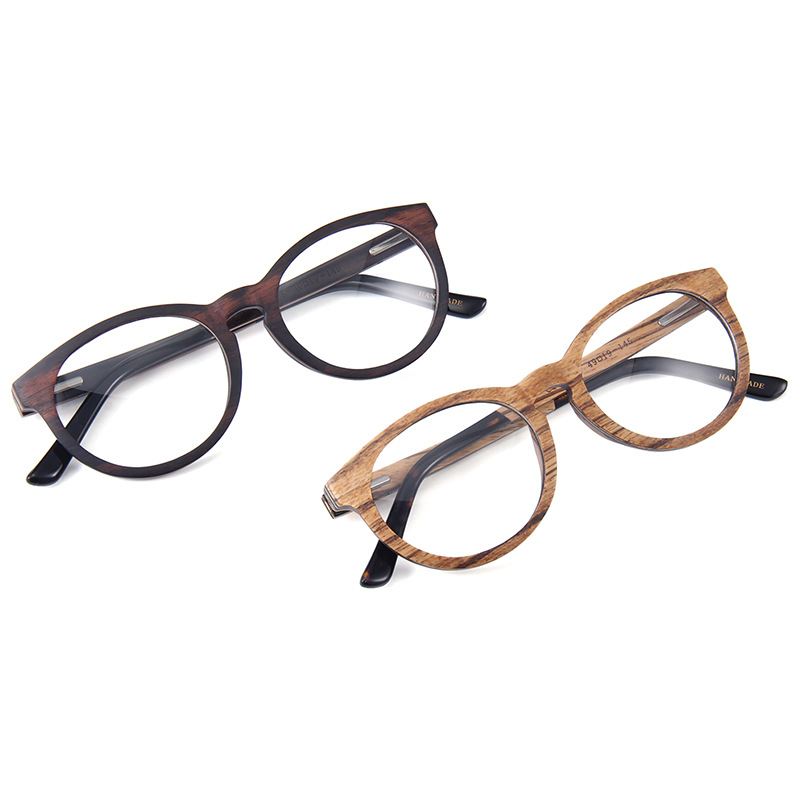
We source only certified sustainable timber from responsible suppliers, ensuring our handmade wood frames meet international environmental standards. Each batch is traceable from forest to finished product.
Every handmade wood frame undergoes multi-stage inspection by our experienced team. We check structural integrity, hinge functionality, finish quality, and dimensional accuracy before shipment.
Our manufacturing process combines traditional woodworking with modern engineering principles. Reinforced hinge points and flexible temple arms ensure long-lasting wearability without compromising the natural beauty of the wood.
All coatings and adhesives used in production are certified non-toxic and hypoallergenic. Our water-based finishes preserve the wood's natural character while providing protection against moisture and daily wear.
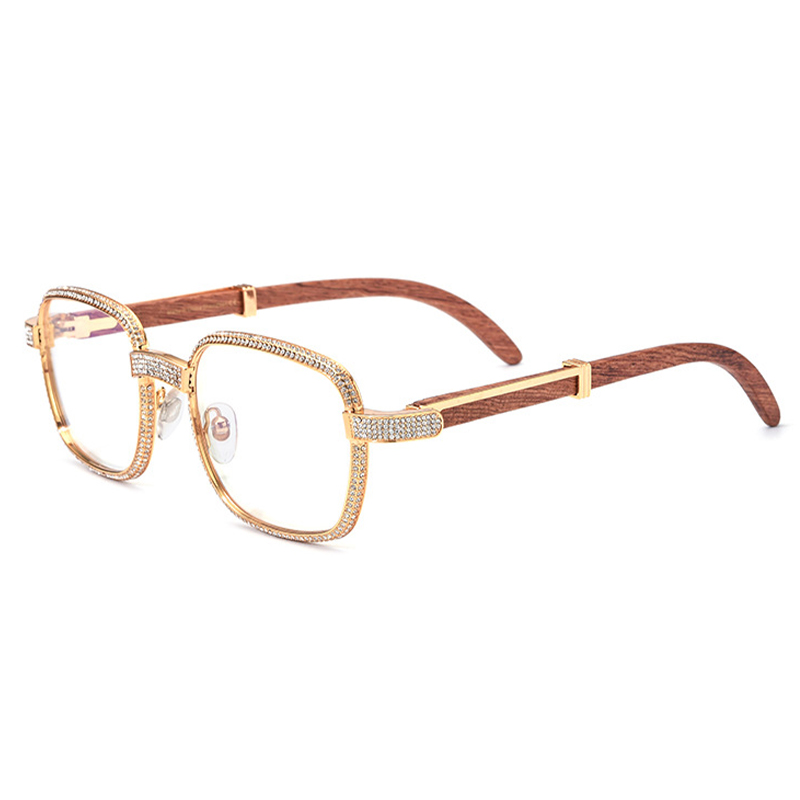
Selecting the right supplier for handmade wood frames requires careful evaluation of several critical factors. Buyers should prioritize manufacturers with proven expertise in wood processing, established quality systems, and transparent sourcing practices.
Look for suppliers with dedicated wood-processing facilities and skilled artisans. Ask about their production capacity, lead times, and ability to handle custom orders. A reliable partner should demonstrate consistent output quality across different wood species and designs.
Verify that your supplier holds relevant certifications such as FSC for sustainable forestry, ISO 9001 for quality management, and CE/FDA for market compliance. These credentials provide assurance of ethical sourcing and product safety.
Evaluate the supplier's flexibility in customization — from wood selection and finishing to logo engraving and packaging. The best partners offer end-to-end OEM/ODM services tailored to your brand requirements.
With over 20 years of eyewear manufacturing experience, Mellume offers comprehensive OEM/ODM services for handmade wood frames. Their 15,000 m² factory in Shenzhen produces 80,000-100,000 pairs monthly with rigorous quality control.
Key advantages: BSCI, ISO 9001, CE, FDA, RoHS, and TUV certified. Serving 500+ brands across 60+ countries. Dedicated account managers ensure seamless communication from inquiry to delivery.
When evaluating potential suppliers, prioritize those with verifiable track records in wood frame production. Request samples, conduct factory audits, and review client testimonials. The best partners invest in R&D to continuously improve their handmade wood frame offerings.
Essential criteria: Established production history, transparent supply chain, responsive customer service, competitive pricing structure, and commitment to sustainable practices.
Problem: Natural wood can expand or contract with humidity changes, potentially affecting frame shape.
Solution: Work with suppliers who use properly seasoned and stabilized wood. Proper storage conditions and climate-controlled shipping help maintain dimensional stability.
Problem: Buyers may receive frames with varying grain patterns between batches, complicating inventory management.
Solution: Specify grain matching requirements during ordering. Some suppliers offer pre-selected wood batches to ensure consistency across large orders.
Problem: Attaching metal hinges to wood requires specialized techniques; poor implementation leads to premature failure.
Solution: Choose manufacturers with proven hinge attachment expertise. Look for reinforced insertion points and tested spring mechanisms designed specifically for wooden frames.
Problem: Handmade wood frames typically require longer production cycles compared to injection-molded alternatives.
Solution: Plan orders well in advance and work with suppliers offering expedited production options. Establish clear timelines during the sampling phase to set accurate expectations.
Common species include bamboo, walnut, cherry, maple, and rosewood. Bamboo is popular for its sustainability and lightweight properties, while walnut and cherry offer rich tones and excellent workability. Your supplier should provide detailed specifications for each wood type available.
Minimum order quantities vary by supplier. Many manufacturers offer flexible MOQs ranging from 50-100 pieces for light customization on existing designs, up to 300+ pieces for full OEM/ODM projects with custom mold development. Discuss your volume requirements early in the sourcing process.
Request physical samples before placing bulk orders. Establish clear quality standards with written specifications covering dimensions, weight, finish quality, and hinge performance. Consider third-party inspection services for large shipments. Reputable suppliers maintain detailed quality records and offer replacement guarantees for defective units.
Yes, handmade wood frames can accommodate prescription lenses. However, certain wood types and thick rim designs may limit lens thickness options. Consult with your manufacturer about compatible lens materials and maximum prescriptions. Most suppliers have experience integrating optical lenses into wooden frames.
Lead times typically range from 7 days for sampling to 3-4 weeks for mass production, depending on order complexity and volume. Rush orders may incur additional fees. Always confirm production schedules during the quoting phase and build buffer time into your inventory planning.
Most manufacturers offer comprehensive branding services including laser engraving, metal plate insertion, or printed logos on frames. Custom packaging options include boxes, cases, cleaning cloths, and certificate cards. Discuss your branding requirements with your supplier during the design consultation phase.
Tel: 086-755-28650848
Whatsapp: +86 13829903822
Address: Block A Smart park, No.76 BaoHe Avenue, Longgang District, Shenzhen, Guangdong China
Website: https://www.mellumeoptical.com
Privacy statement: Your privacy is very important to Us. Our company promises not to disclose your personal information to any external company with out your explicit permission.
Fill in more information so that we can get in touch with you faster
Privacy statement: Your privacy is very important to Us. Our company promises not to disclose your personal information to any external company with out your explicit permission.